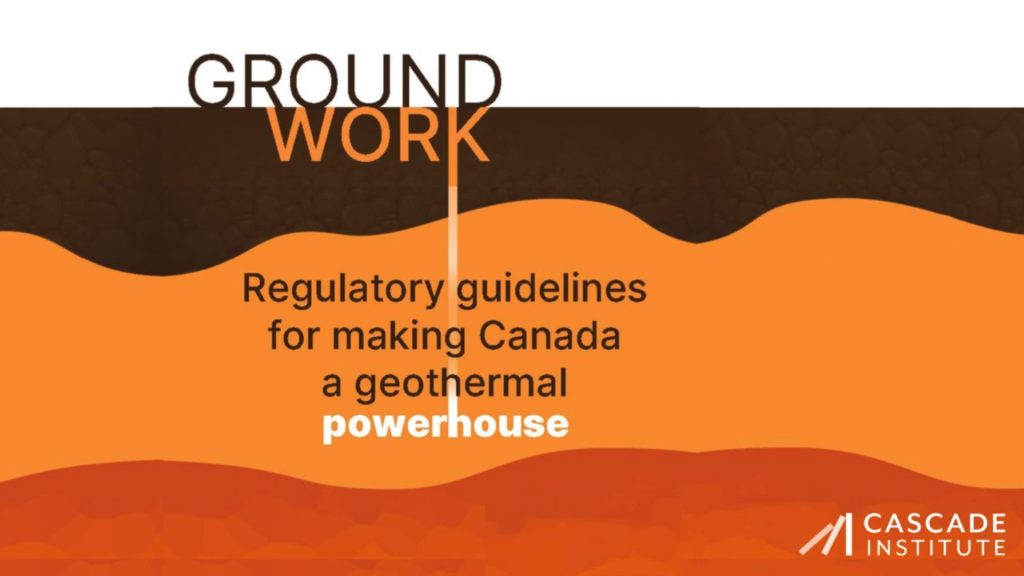
The Cascade Institute has published a report that provides guidance on harmonized and effective geothermal regulations across Canada, thus providing a regulatory roadmap for Canada to harness its vast geothermal potential. The report also looks into international best practices on geothermal regulation, particular from the 10 largest geothermal power producers globally.
As the Carney government accelerates major energy infrastructure projects, geothermal is notably absent in Canada’s push for clean and secure energy sources. A major hurdle for this is regulatory, or more specifically, the lack of regulations in most of the country that covers geothermal energy projects.
Despite Canada’s vast geothermal potential and world-class drilling expertise, Canada lags far behind the rest of the world, and ten provinces and territories still lack basic geothermal project regulations. Where frameworks do exist, they are inconsistent from one province to the next—making it difficult to launch projects at scale.
Drawing lessons from the world’s top ten geothermal power producers, the report provides provinces and territories with actionable guidelines they can use to establish effective regulations to kickstart the nascent industry.
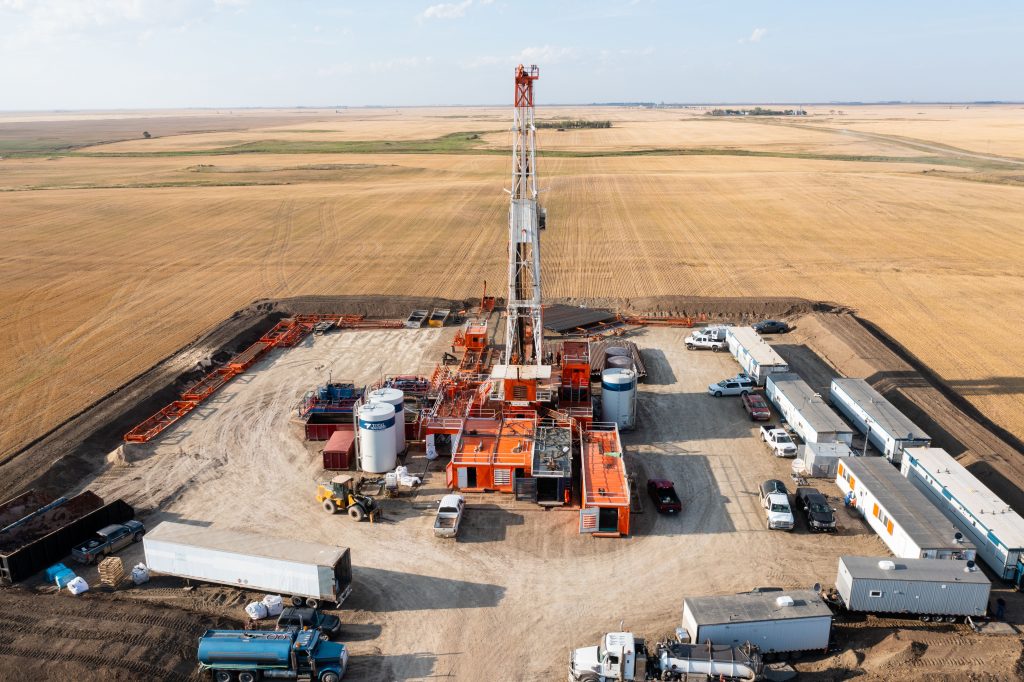
“Geothermal delivers the clean, secure, and always-on power that Canada needs in this time of upheaval,” said Emily Smejkal, Policy Lead for the Cascade Institute’s Geothermal Energy Office (CI-GEO) and the report’s lead author. “We have the technical expertise, we have the resource potential, and now, with this report, we have guidelines to shape effective regulations.”
International Geothermal Association CEO Marit Brommer said, “The Cascade Institute’s Groundwork report is a timely and effective intervention that addresses Canada’s biggest challenges head-on. It presents clear, transferable, and future-proof principles that jurisdictions across the country can adopt or adapt immediately.”
Six global guidelines for success
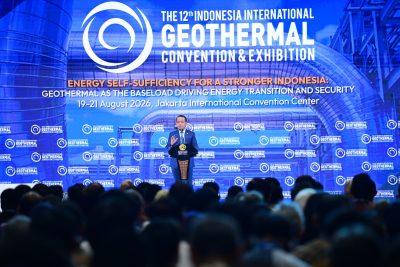
The comprehensive study analyzed regulatory frameworks from the world’s top 10 geothermal producers—including the United States, Indonesia, Philippines, New Zealand, and Iceland—to identify proven approaches that have successfully launched geothermal industries.
The report identifies six regulatory best practices common across successful geothermal nations— precise definitions, technology-agnostic regulations, efficient permitting processes, acreage maximums to limit monopolies , realistic timeframes for development, and early public engagement.
“Countries that adopt these regulatory principles have already unlocked billions in geothermal investment globally,” said Smejkal. “Canada has fallen behind, but it’s not too late to catch up.”
The economic opportunity
Global geothermal investment is projected to reach US$2.5 trillion by 2050, and Canada’s oil and gas sector drilling expertise provides a natural competitive advantage in geothermal development. The report represents Phase 1 of a broader initiative to accelerate geothermal power development
across Canada.
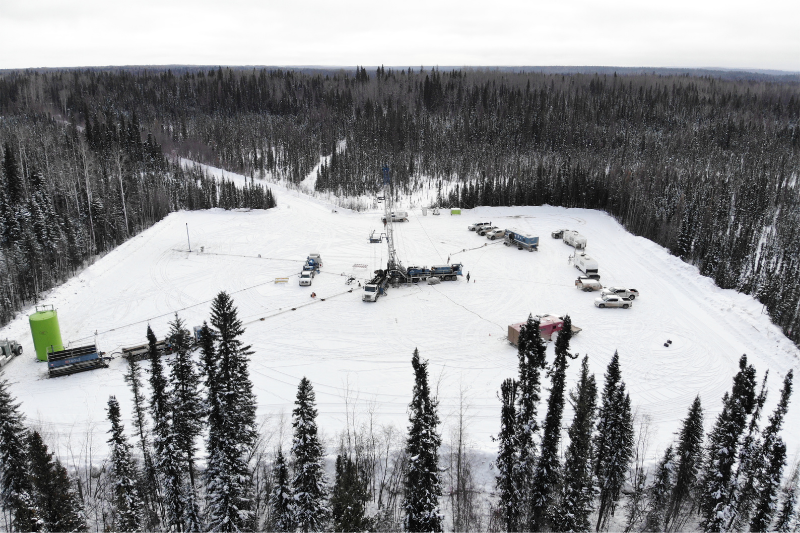
Cascade Institute’s Geothermal Energy Office, in coordination with industry ,governments, and the International Geothermal Association, will use this report as a springboard for developing detailed model regulations that jurisdictions can adapt and implement.
“The federal government is prioritizing fast-tracked energy projects and federal-provincial coordination, and geothermal can and should lead the way, if we address these regulatory gaps,” said Smejkal. “We’ve identified what works globally and translated it into solutions Canada can use now. We have everything we need to seize this opportunity.”
Source: Cascade Institute