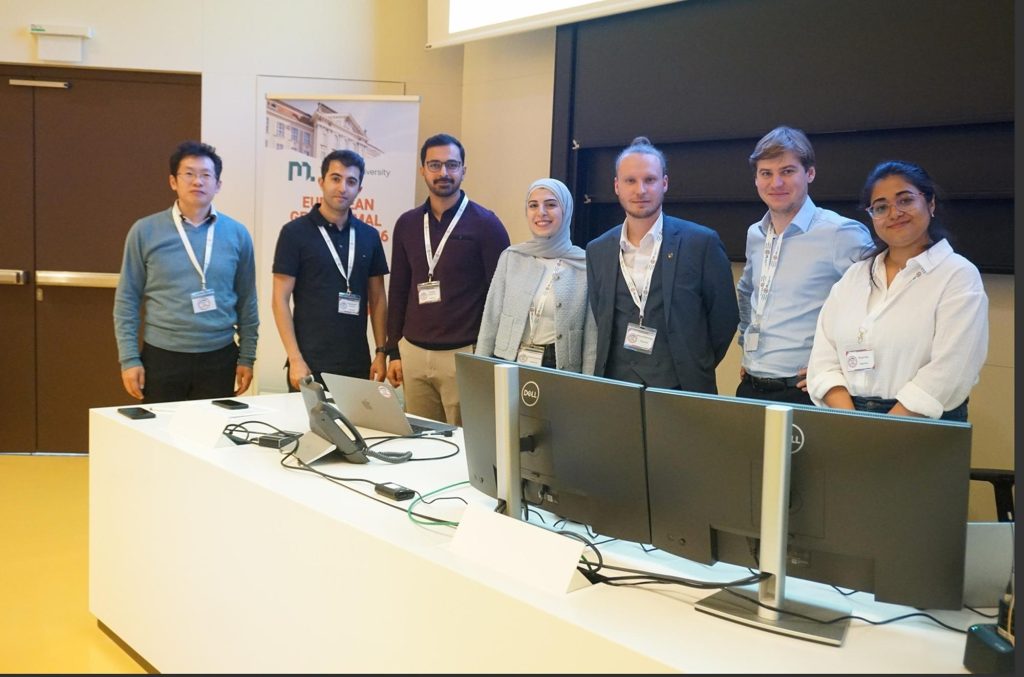
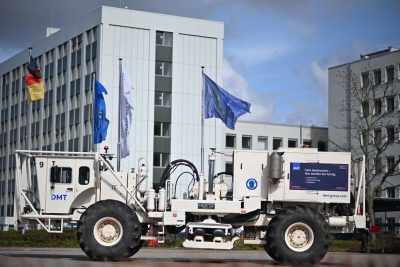
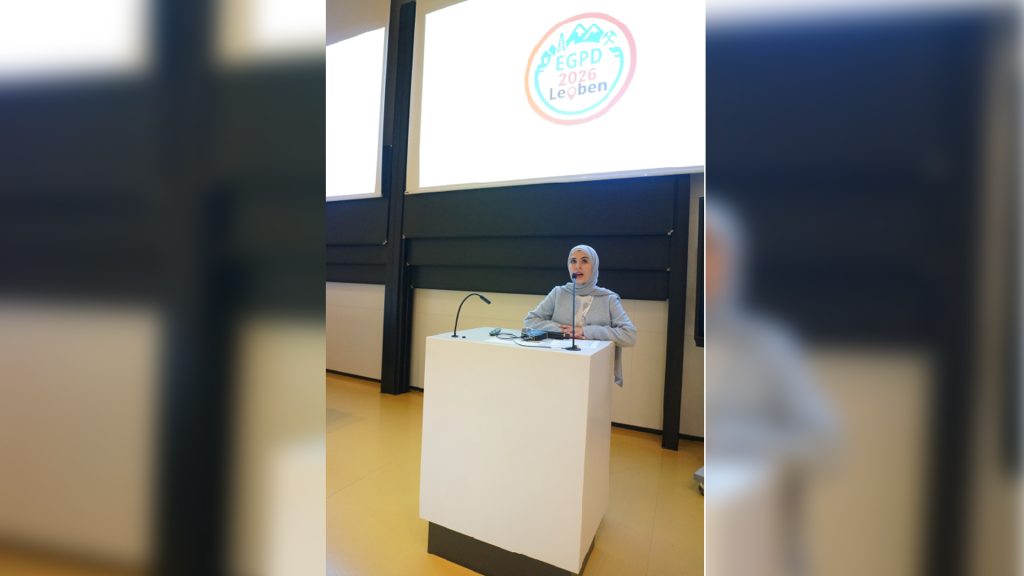
Our Turkish language platform, JeotermalHaberler, conducted an interview with Aliaa Hammoud , a member of the organizing team of the European Geothermal Doctoral Days (EGPD) 2026, which was recently held in Leoben, Austria. In this interview, Aliaa tells us about the highlights of the EGPD 2026, the organization process, and current trends in the geothermal sector.
Could you briefly introduce the EGPD? Also, how would you evaluate the EGPD 2026—did it meet your expectations?
The European Geothermal Doctoral Days (EGPD) is an annual student-focused conference organized by, and for, doctoral students working in the field of geothermal energy. Unlike professional conferences typically organized by senior experts, the EGPD aims to provide a more student-friendly platform for knowledge sharing, discussion, and collaboration among young researchers.
The conference is held in a different country each year. First held in Germany in 2010, the EGPD was held for the 16th time in Austria in 2026. The students organizing the event are usually guided and supported by a mentor throughout the process.
EGPD 2026 exceeded my expectations. The conference featured high-quality research presentations, and the workshops we had planned were fully booked, demonstrating strong interest and engagement from participants.
What made this year’s event different from previous years?
This year’s event was particularly special as it was held in Austria for the first time. We wanted to give equal importance to skills development as well as scientific sharing. Therefore, we organized one-day modeling workshops using DHI (FEFLOW) and Rock Flow Dynamics (tNavigator) software. We also included booths and company representatives on-site to increase sponsor visibility. This added a significant industry dimension to the conference and created valuable networking opportunities.
Could you share some basic data such as the number of participants, the countries represented, and the sponsors?
EGPD 2026 this year saw a total of 52 international participants from 14 countries: Hungary, Spain, Italy, Iceland, Belgium, Germany, the United Kingdom, Ireland, Greece, the Netherlands, France, the Czech Republic, Türkiye, and China. This international participation demonstrated the broad interest in geothermal research and the diversity of the EGPD community.
The conference was also supported by a total of 16 sponsors from Austrian and international organizations. Austrian sponsors included the Austrian Geological Society, Voestalpine, GEO5, EVN, Geodata, OMV, Hydro, Geothermie Österreich, and Wien Energie.
International sponsors included Stadtwerke München from Germany, the European Energy Research Association Geothermal Programme, the International Geothermal Association, Ignis Energy from Türkiye, DHI from Denmark, Rock Flow Dynamics from the UK, and GEOFLUID/GPC IP from France.
What were the biggest challenges and key takeaways from the event’s organization process?
Since EGPD is a student-focused event, participation is free; there are no fees for workshops or technical tours. This makes securing sufficient financial support to sustain the event one of the biggest challenges.
However, there were also many positive aspects. The workshops, panel discussions, and field trips offered practical and interactive value beyond the scientific presentations.
What do you think are the key trends shaping the future of geothermal energy?
In my opinion, three main trends are shaping the future of geothermal energy: decarbonization, technological innovations, and the expansion of its applications. As countries strive to reduce emissions while meeting increasing energy demand, geothermal energy is becoming more attractive because it can provide both reliable low-carbon electricity and heating/cooling.
Furthermore, advances in enhanced geothermal systems (EGS) and closed-loop technologies are enabling the expansion of geothermal energy beyond volcanic regions.
I think one of the most exciting developments is the diversification of geothermal energy into new areas of use. For example, in Saudi Arabia, the Strataphy initiative is developing geothermal cooling solutions. This shows that geothermal energy is not limited to electricity generation and heating, but can also be a solution to the increasing demand for cooling in hot climates.
Furthermore, as someone with a background in oil and gas, I should also point out that the applicability of oil and gas expertise in areas such as drilling, subsurface evaluation, and reservoir characterization to geothermal energy is quite high. According to the International Energy Agency, a significant portion of geothermal investments align with these expertise levels.
How would you evaluate the networking and collaboration opportunities at EGPD 2026?
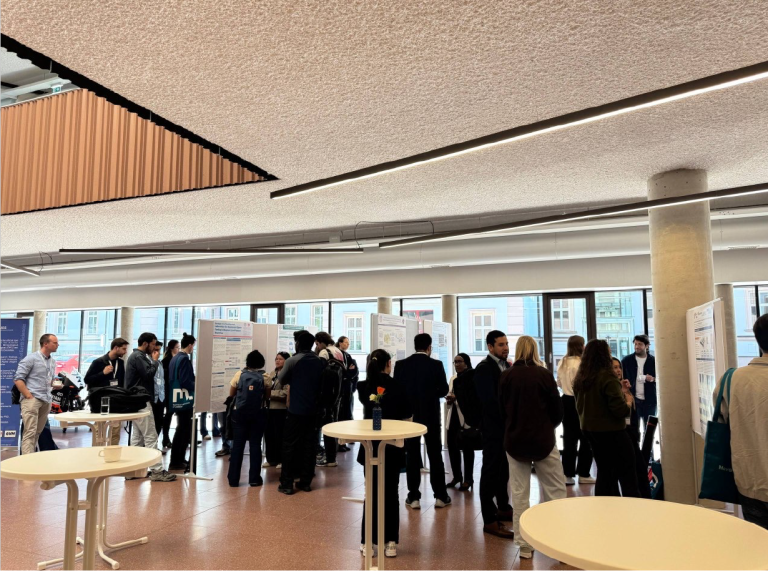
Networking and collaboration opportunities were one of the strongest aspects of EGPD 2026. Thanks to an open, friendly, and supportive environment, PhD students, researchers, industry representatives, and speakers were able to interact closely in sessions, workshops, coffee breaks, meals, social events, and field trips. This environment facilitated both formal and informal exchange of ideas.
How would you evaluate Türkiye’s participation and its geothermal potential?
Although Türkiye’s participation was numerically limited, it was significant. With two participants and one sponsor, both academia and industry were represented. This reflects Türkiyey’s strong position in the geothermal field. It’s also worth noting that EGPD 2020 was held at Pamukkale University.
On an international scale, Türkiye stands out as a strong geothermal country with significant experience in both electricity generation and direct use (heating, agriculture, thermal tourism).
What was the most memorable moment for you at the event?
It was the closing moment. Seeing the hall full and everyone—from students to speakers and sponsors—leaving satisfied was a very special moment. It was truly rewarding to see the fruits of months of hard work. This wasn’t just an individual achievement, it was a team success.
What message would you give to young researchers considering joining EGPD in the future?
Absolutely join. EGPD is a unique opportunity to present your work, meet inspiring people, and be part of a strong community. You gain not only knowledge, but also motivation and lasting connections.
Is the location for EGPD 2027 known?
Yes, EGPD 2027 will be held in Reykjavik, Iceland. The host city is determined annually by participant voting.
Is there anything you’d like to add?
To those considering organizing EGPD in the future, I would say: Don’t hesitate to take the first step. As the process progresses, the team grows and support increases. One of the best things about EGPD is that the organizers support each other.
RELATED: Shaping the future of geothermal in Hungary – The 2025 European Geothermal PhD Days
Source: JeotermalHaberler