
GEOELEC sets action plan for developing Geothermal Electricity in EU

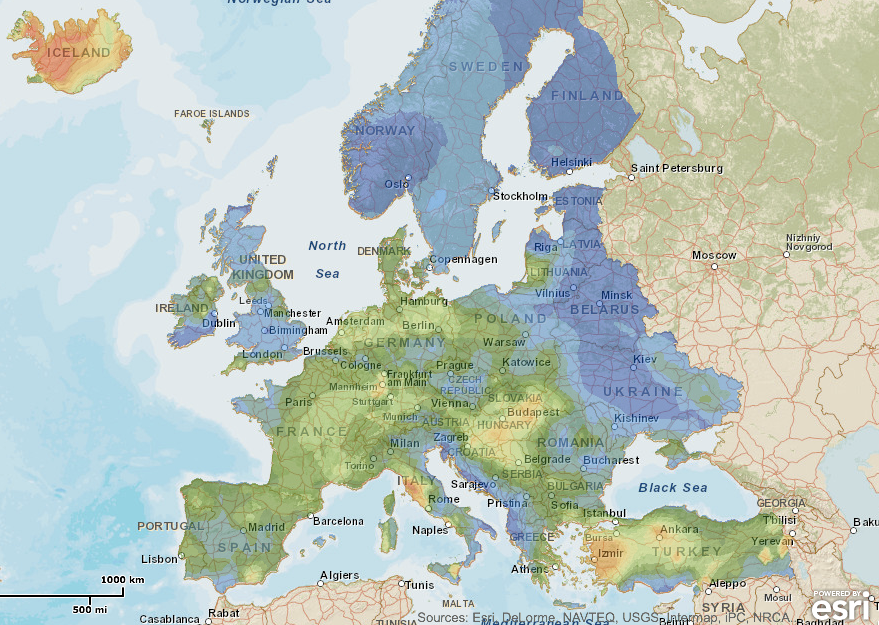
GEOELEC, an IEE project co-financed by the EU and running between 2010 and 2013 promotes geothermal electricity generation in the EU by looking at potential, financing, regulation, training and employment, and social acceptance.
Geothermal power generation has its roots in Europe, where the first test in 1904 and the real beginning of power generation in 1913 took place. For a decade, thanks to the optimisation of the new binary system technology, geothermal electricity can be produced using lower temperatures than previously. Moreover, with Enhanced Geothermal Systems (EGS), a breakthrough technology proven since 2007, geothermal power can in theory be produced anywhere in Europe.
The main benefits of geothermal power plants are the provision of baseload and flexible renewable energy, diversification of the energy mix, and protection against volatile and rising electricity prices. Using geothermal resources can provide economic development opportunities for countries in the form of taxes, royalties, technology export and jobs.
GEOELEC, an IEE project co-financed by the EU and running between 2010 and 2013 promotes geothermal electricity generation in the EU by looking at potential, financing, regulation, training and employment, and social acceptance
Potential
By integrating existing data in the EU-28 and defining a new methodology based on existing systems outside Europe, the GeoElec project has assessed the economic potential for geothermal electricity using a Levelised Cost of Energy (LCoE) value of less than 150 €/MWh in 2030 and less than 100 €/MWh in 2050. The results show:
- The production of geothermal electricity in the EU in 2013 is 6 TWh
- The NREAPs forecast a production in the EU-28 of ca. 11 TWh in 2020
- The total European geothermal electricity potential in 2030 is 174 TWh
- The economic potential grows to more than 4000 TWh in 2050
Economics and Finance
Innovative financing mechanisms are required for geothermal as expenditure and risk are concentrated in the first stages of project development, and EGS is an emerging technology. The GeoElec project shows that:
- Support schemes are crucial to compensate for market failures
- Financing mechanisms need to take the specificities of geothermal technologies into account
- A European Geothermal Risk Insurance Fund (EGRIF) should be established
- Cost assessment to design support schemes for renewables should be holistic and include all system costs and externalities
Regulation and Public Acceptance
Regulatory barriers that can cause delays and increase costs for geothermal electricity projects still exist and have to be removed. The environmental impact of all infrastructure projects should be rightly considered, and environmental regulations are important tools for the development of geothermal electricity. Such sustainable development, coupled with open dialogue and clear information will enable public acceptance.
Recommendations for Geothermal Electricity in Europe
The GeoElec project recommends:
- The establishment of National Committees on Geothermal to increase awareness and create conditions for development
- A European EGS flagship programme, providing affordable electricity and contributing to European competitiveness
- The establishment of an EGRIF, creating the financial conditions for development
- The creation of Education and Training networks, developing a future workforce
- Support for a sector which will be able to employ more than 100,000 people by 2030.
The four-page summary of the GeoElec project results and many other useful documents can be found on the GEOELEC website www.geoelec.eu
For further information contact:
Alexandra Latham
Communication officer, European Geothermal Energy Council
a.latham@egec.org / +32 2 400 10 27
Source: Press Release from GEOELEC (27/11/2013)