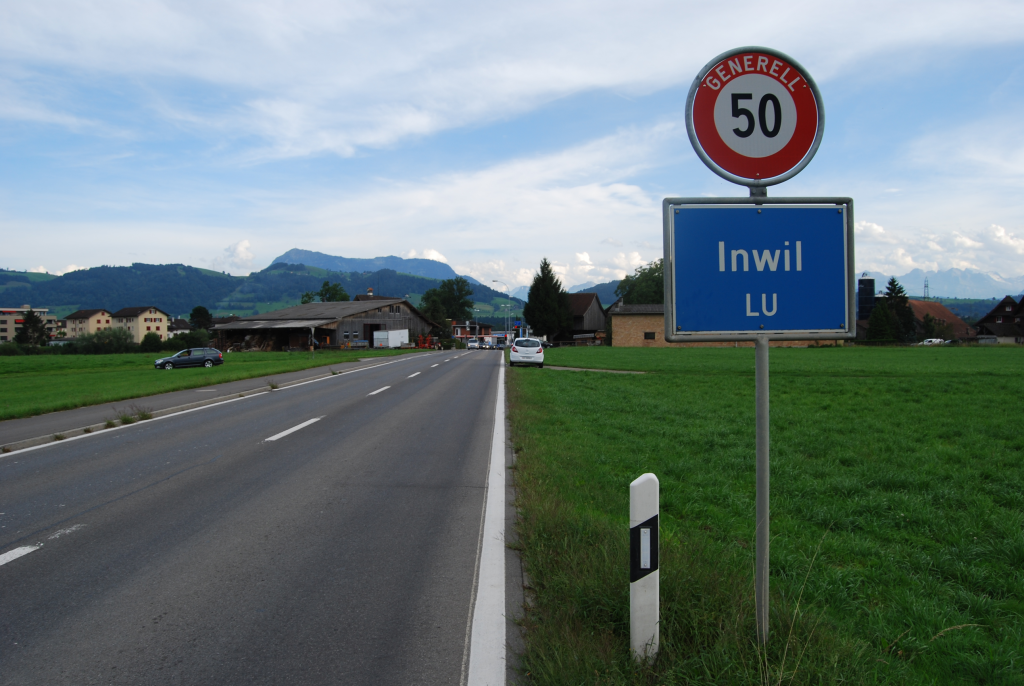
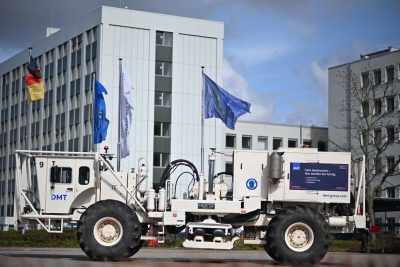
A geothermal project in the municipality of Inwil in the canton of Lucerne in Switzerland will be put on hold following inconclusive results of a seismic survey done in early 2025. The decision was made by CKW AG, stating that the seismic measurements did not yield a definitive indication of suitable drilling targets.
As announced before the onset of the seismic survey, the project aimed to tap into the Muschekalk formation at a depth of around 4100 meters, where water with temperatures of up to 140 °C is expected. This same formation has been used successfully for geothermal heat production in Riehen and Schlattingen. Geothermal development in this site is supported by the results of a feasibility study conducted in 2021, citing the Inwil/Perlen region as having very good geological conditions for a geothermal project.
A more in-depth analysis of the geothermal potential in Inwil would have required additional and costly subsurface investigation. Thus, CKW has decided to refrain from further investigations and will instead focus on monitoring technological developments both in Switzerland and abroad. It is unclear at this point how long the project in Inwil will be put on hold.
“Over the next few years, we will be monitoring the progress of other geothermal projects in Switzerland and abroad that use alternative technologies. We expect to gain insights from this that we could also apply at the Inwil site,” commented Philipp Leppert, Project Manager at CKW.
One such development is happening in Switzerland at the Haute-Sorne site, where Geo-Energie-Suisse AG is gaining practical experience in Enhanced Geothermal Systems (EGS). The latest update from the project indicates positive results, with the permeability of the rock being sufficiently increased to produce an exploitable geothermal reservoir while keeping within seismicity thresholds. The decision for the next steps of the project is under deliberation and is expected by spring of 2026.
Source: Netzbetreiberinfo.ch