
Multi-partner group to map geothermal potential in Germany

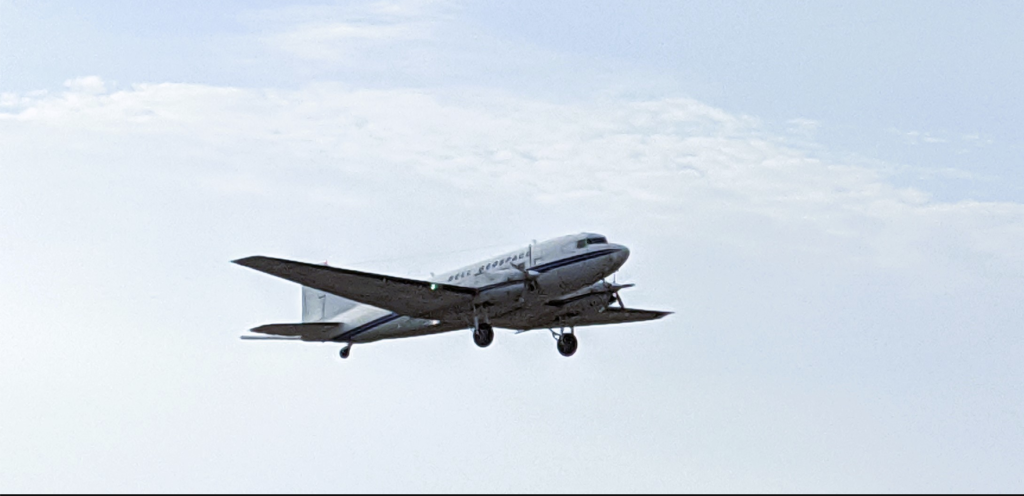
Vulcan Energy, OMV, Eavor, Frankfurt, KIT and the Hessian Ministry will start an airborne survey in the Upper Rhine Rift to build a 3D model for geothermal and lithium projects.
A new airborne geophysical survey will begin on 15 November to map the geological structures of the Upper Rhine Rift, as announced today by the group. The work is part of the GeProH consortium led by Vulcan Energy and aims to improve planning for future geothermal and lithium projects in one of Europe’s most prospective regions.
The flights will cover parts of Hesse, Baden-Württemberg and Rhineland-Palatinate. A specialised aircraft from Bell Geospace will collect gravity and magnetic data at 300 to 600 metres altitude. The survey will run for about three months. Vulcan will also survey its licence areas beyond the GeProH boundary.
Regional model for exploration and project siting
The survey seeks to fill persistent data gaps in the mid and deep subsurface of the Upper Rhine Graben. Existing geological information is fragmented and inconsistent, with little unified data below 500 metres depth. The new measurements will support the creation of a digital 3D model by combining the airborne data with seismic profiles, well logs and geological maps.
Dr Kristian Bär, Director New Business and Exploration at Vulcan Energy, said the dataset will give an improved three-dimensional view of subsurface structures and support future geothermal development in the region.
Partner organisations include OMV, Eavor GmbH, the City of Frankfurt, Karlsruhe Institute of Technology and the Hessian Ministry of Economic Affairs. The consortium is focused on the Hessian licence area ORG Plus, which includes zones with high geothermal gradients of up to 60 °C per 1,000 metres.
Market impact for geothermal and lithium
The Upper Rhine Graben is one of Central Europe’s most promising geothermal areas and also hosts formations that may contain lithium-bearing fluids. A consistent, high-resolution model will support better resource assessment, reduce exploration risk and help operators target productive structures more effectively.
The integration of gravity, magnetics and seismic data is expected to improve fault mapping and reservoir characterisation. This could support the planning of combined geothermal heat, power and lithium extraction projects as the regional energy market seeks domestic, low-carbon resources.
The airborne work is passive and does not affect people or the environment. Some night flights may occur near Frankfurt Airport due to air traffic scheduling.
Source: Press release by Vulcan Energy