The Energy Market Authority (EMA) of Singapore has issued a Request for Proposals (RFP) for a comprehensive study to assess the feasibility of deploying geothermal energy systems in Singapore. The feasibility study will specifically assess the technical, environmental, and commercial feasibility of deploying next-generation geothermal systems in Singapore.
Documents relevant to the RFP can be accessed via the Singapore GeBIZ platform (requires login). Proposals will be accepted only until 29 June 2026, 4 pm local time.
The consultant for the feasibility study is expected to be appointed within 2026. The duration of the study will depend on the proposal submitted by the appointed consultant, as well as the scope and complexity of work required.
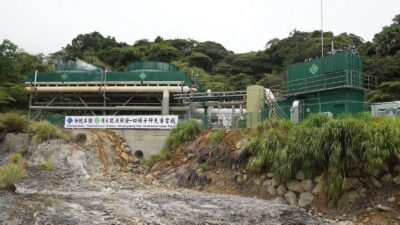
Singapore has undertaken geothermal exploration efforts in recent years, including a passive seismic study in 2024 that has found evidence of a highly fractured, water-saturated geothermal reservoir in the Yushin District, southeast of the Sembawang Hot Spring. A slimhole drilled to a depth of 1.76 kilometers in the Sembawang site indicate a subsurface temperature of up to 122 °C, indicating a strong geothermal resource potential.
The feasibility study builds on the ongoing nationwide non-invasive geophysical survey to identify areas where geothermal energy might be present. The combines results will provide a robust evaluation of Singapore’s geothermal potential and will provide the Government with a basis to decide on the next steps for possible geothermal development. The appointed consultant will also be tasked to identify areas for further study and propose policy frameworks for potential geothermal projects.
The RFP call specifically mentions the assessment of whether next-generation geothermal systems can be technically, environmentally, and commercially feasible for Singapore. As conventional volcano-hosted geothermal resources are no likely to be found in Singapore, the EMA is considering whether new opportunities created by recent advances in geothermal technologies can be used to harness geothermal energy for power, heating, and cooling needs.
RELATED: Interview – Singapore, Asia’s newest emerging geothermal market
Source: Energy Market Authority