Chevron is taking a closer look at geothermal energy as a potential area for business growth, according to remarks by CEO Mike Wirth at the Wall Street Journal CEO Council this week. Wirth outlined how the company is focusing on energy technologies that match its long-standing strengths in subsurface engineering, drilling, and project execution.
While Chevron continues to invest in oil and gas, Wirth said the company is also exploring a set of low-carbon opportunities where it sees the potential to compete effectively. Geothermal features prominently in that group, alongside hydrogen, carbon capture and storage, and renewable fuels.
Subsurface expertise drives Chevron’s geothermal positioning
Wirth described Chevron’s approach as one based on technical fit: the company is prioritising technologies that draw directly on its existing capabilities rather than entering mature markets where it lacks a competitive foundation. Geothermal, with its dependence on deep-well drilling and reservoir understanding, aligns well with Chevron’s traditional upstream skillset.
Chevron has stated publicly that it is working to advance new geothermal concepts with the aim of enabling scalable, firm, non-intermittent renewable power. These efforts build on the company’s view that geothermal could provide a stable complement to intermittent sources such as wind and solar.
Investment principles and policy environment
During the discussion, Wirth reiterated that Chevron aims to back technologies capable of becoming commercially competitive without long-term subsidy support. He also noted that geothermal currently benefits from favourable policy attention in the United States compared with some other renewable technologies.
Chevron’s latest sustainability framework indicates that the company intends to expand both its traditional energy business and a portfolio of lower-carbon activities. This includes work in renewable fuels, carbon management, hydrogen production, and power supply for energy-intensive sectors such as data centres.
Growing interest from major energy companies
Wirth’s comments add to a broader trend of large oil and gas companies evaluating geothermal as a strategic opportunity. Several emerging geothermal technologies rely on advanced drilling, well construction, and reservoir modelling. These are areas where major energy companies have decades of experience and could play a role in reducing cost and deployment risk.
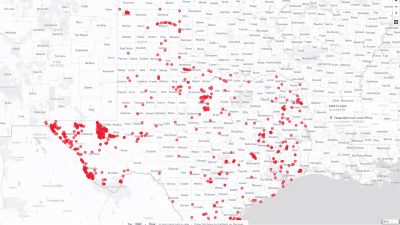
ThinkGeoEnergy research has been following Chevron and messages have remained mixed over the years, from selling its geothermal business in the Philippines in 2017, to renewed ambitions and various partnerships, now being among the top holders of geothermal leases on public land in the U.S., it will be interesting to follow how things will progress.
Source: WSJ