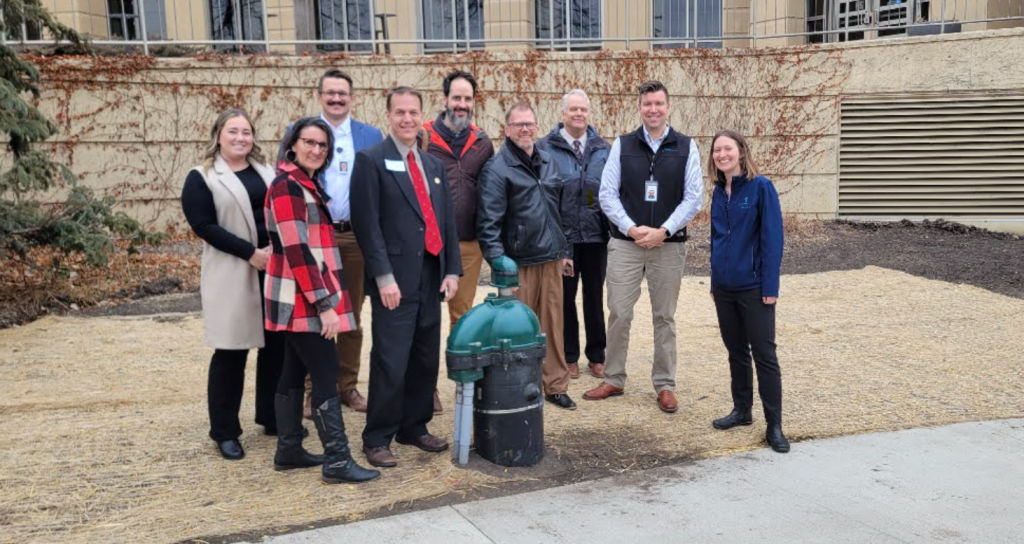
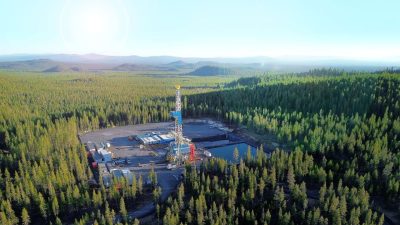
The first thermal energy network in the city of Rochester in Minnesota in the United States has come online, serving the heating and cooling needs of the Mayo Civic Center, Rochester Art Center, Rochester Civic Theater, and the Rochester Public Library. This represents Phase 2 of the project, following Phase 1 which focused on the City Hall. The system is supplied by two high-capacity geothermal wells, drilled back in 2023.
The thermal energy network is part of the Downtown Building Energy Transition (DBET) initiative, which aims to replace fossil fuel systems with geothermal energy. The system enables simultaneous heating and cooling and retains natural gas only as a backup energy source.
The DBET system uses heat exchangers submerged within the groundwater of the Jordan Aquifer which are then supplied to ground-source geothermal heat pumps. Multiple redundant safety systems have been put in place and monitored by the Minnesota Department of Health to ensure that there is no contamination of the aquifers.
The estimated cost of the DBET project is at $25.59 million. The city expects about $8.2 million of the project costs to be recovered through elective pay provisions under the Inflation Reduction Act.
Phased geothermal development
Early efforts of Rochester to explore geothermal energy started in 2017 when the old waste-to-energy steam lines were announced to be nearing their end of life. Through the Climate Smart Municipalities Exchange, the city hosted an intern from Germany who helped research how geothermal solutions might work locally.
Phase 1 of the project was launched in 2023, supplying heating and cooling to the 84,500 square foot Rochester City Hall using two submerged closed-loop heat exchanger geothermal wells.
Phase 2 connected several buildings in a shared municipal thermal energy network, creating a system for transferring heating and cooling where it is needed the most. This the first system of its kind in Minnesota.
The DBET project is projected to save the city around $900,000 in energy costs each year while reducing emissions and improving energy resilience.
Source: KROC and City of Rochester