Türkiye is stepping up efforts to extract lithium and other strategic minerals from its geothermal resources, signaling a new chapter in the country’s geothermal development. With only about 10% of its geothermal potential currently utilized, Türkiye is looking beyond power and heat production toward integrating mineral recovery from geothermal brine.
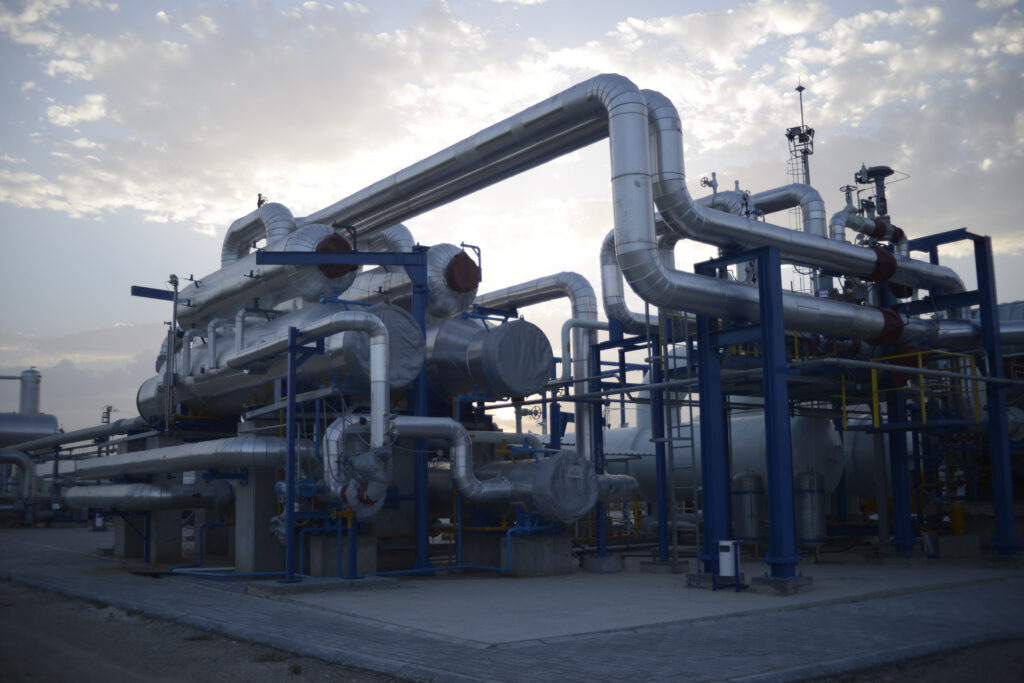
According to Ufuk Sentürk, chairman of the Turkish Geothermal Power Plant Investors Association (JESDER), the country operates over 1,000 geothermal wells capable of producing 100,000 tons of hot water per hour. This geothermal brine contains valuable metals such as lithium, germanium, selenium, and others, offering an opportunity to bolster Turkey’s energy transition and local industrial supply chains.
Research efforts involving the German Energy Agency and local universities show promising early results for lithium recovery. While the average lithium concentration in Turkish geothermal waters is about 20 ppm – lower than the 100 ppm seen in parts of Germany—the scale of geothermal operations could yield up to 35,000 tons of lithium annually. This would represent close to 10% of global production in 2024.
Such output could strategically position Türkiye within the electric vehicle (EV) battery supply chain. The country already hosts automotive plants by manufacturers such as Toyota, Renault, and Ford, and is promoting domestic EV production and energy storage systems. Utilizing geothermal lithium could strengthen domestic supply security and cost competitiveness.
Beyond lithium, geothermal fluids may also offer economically viable extraction of metals like zinc and manganese, important for batteries and electronics. Systematic sampling and geological mapping are underway to assess broader mineral extraction potential.
Türkiye’s state-owned mining company Eti Maden is also moving forward with a pilot lithium carbonate production plant using boron ore wastewaters, targeting 10 tons of output annually. This facility, set to launch before the end of the year, will help validate new technologies for lithium extraction and pave the way for geothermal integration.
The government continues to support geothermal applications beyond power, with geothermal heat now used for 160,000 households and 7,000 hectares of greenhouses. Combining thermal energy use with mineral recovery could significantly enhance the sector’s overall economic value.
Environmental concerns are also a key driver. Compared to conventional mining or salt lake evaporation, geothermal lithium extraction has a smaller environmental footprint. Its closed-loop water circulation helps avoid land degradation and aligns better with ESG and sustainability goals.
If Türkiye can successfully scale geothermal mineral extraction, it could join other global frontrunners such as California (USA), Cornwall (UK), and the Rhine Valley (Germany). With a current installed geothermal capacity of 1.74 GW—ranking fourth globally—and a remaining potential of up to 5 GW, Turkey has both the resource base and industrial motivation to become a key player in the emerging geothermal lithium sector.
Source: Niar.org.tw