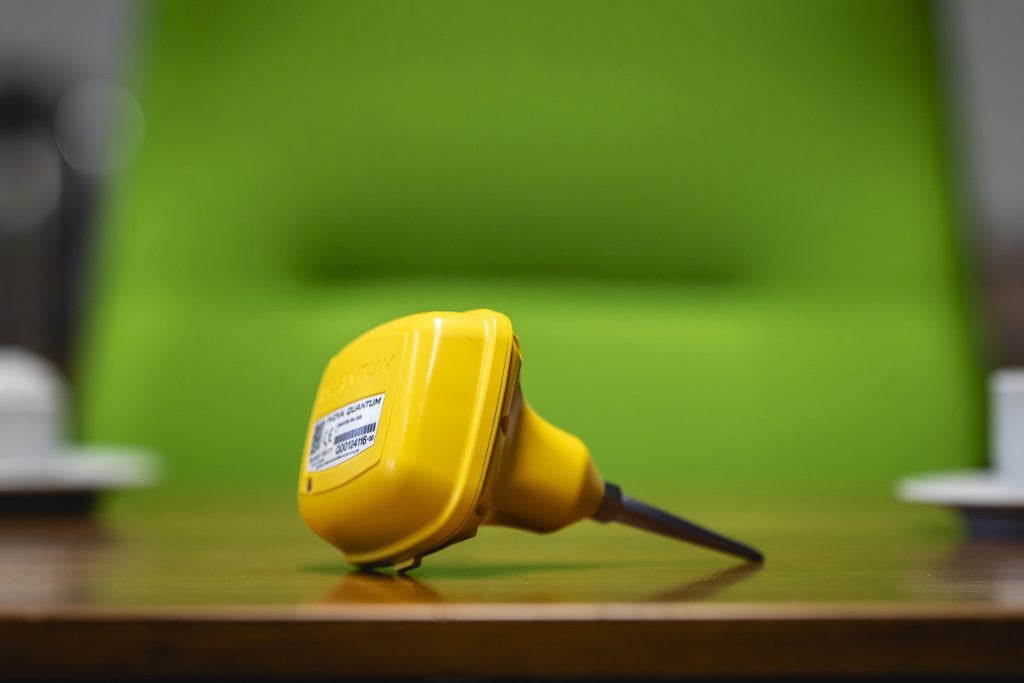
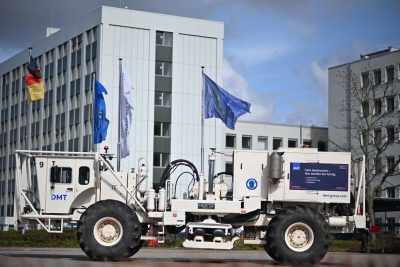
A 3D seismic survey is expected to begin by March 2026 to explore and characterize the potential geothermal resources underneath the city of Erfurt in Germany. This will be a first for the state of Thuringia and will see the deployment of about 19,000 geophones over a study site of about 136 square kilometers.
The project is being headed by local utility Stadtwerke Erfurt with Geofizyka Torun SA as the contractor for the seismic survey. Preparatory work had already started based on the official release of the company from December 2025. A critical part of this phase is the permitting process headed by GEO-Service K. Bittner GmbH, who is handling the coordination with landowners, farmers, and municipalities on behalf of the municipal utility.
According to current plans, the seismic survey is scheduled to begin in mid-March 2026 and is expected to last between 55 to 65 days. The exploration area will encompass the entire city of Erfurt as well as adjacent areas. A total of 700 kilometers of survey route will be covered.
The exploration project will cost EUR 5.8 million, EUR 2.4 million of which will be covered by funding from the Federal Ministry for Economic Affairs and Energy (BMWi). The rest of the cost will be provided by the municipal utility from its own funds.
Once the evaluation of the data is completed, the utility will then decide on the next concrete steps for the project. If results are optimistic, then exploratory drilling could begin as early as 2028.
The city of Erfurt had already expressed plans to evaluate the feasibility of geothermal heating back in 2023. Original plans for a seismic survey were set for the summer of 2025 but did not push through.
Scientific support from TU Bergakademie Freiberg
The project is also receiving special scientific support from a research team at the TU Bergakademie Freiberg (TUBAF). A unique challenge of exploring work in Erfurt is the fact that the Erfurt Basin and surrounding subsurface are still considered unexplored. Thus, a novel 3D seismic method is being proposed that aims to characterize the subsurface down to the crystalline basement rock.
“Wide-angle seismics, as an extension of 3D seismics, contributes significantly to refining the structural geological models at great depths,” explained Stefan Buske, who heads the project at TUBAF. The 3D wide-angle seismic component is specifically designed for great depths of five to seven kilometers.
The pilot project in Erfurt can have greater benefits for wider geothermal deployment in Germany. Crystalline rocks are widespread in Germany, but have not yet been used as reservoir rocks for geothermal heat extraction. If the 3D wide-angle method is successful, it can be an important component for seismic exploration for deep geothermal in crystalline rocks, even in places where such possibility had not been considered.
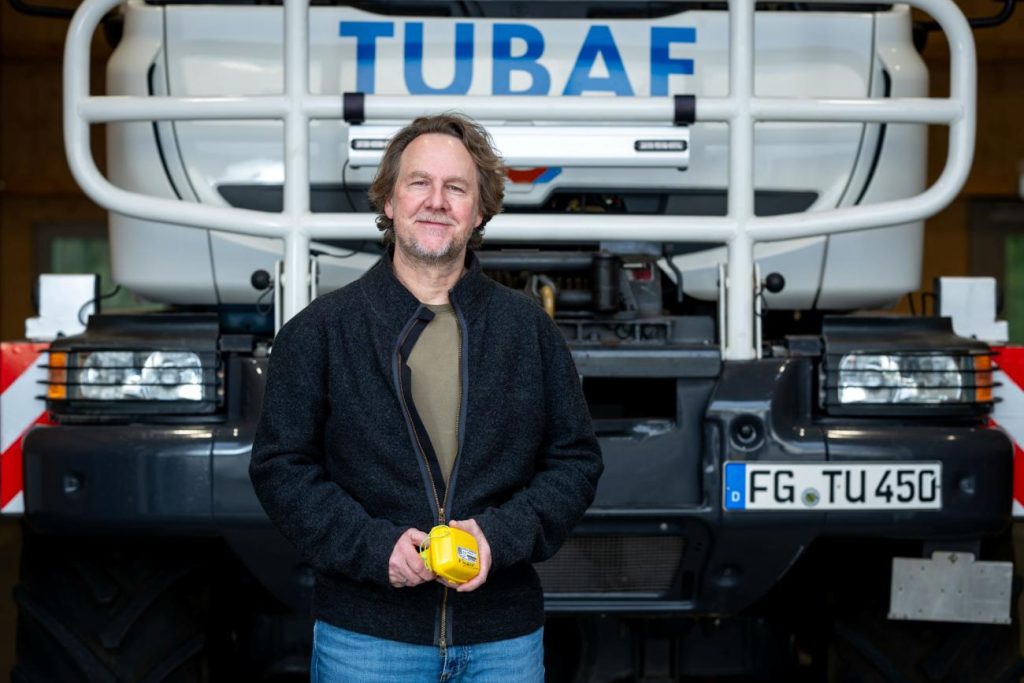
Source: Stadtwerke Erfurt and TU Bergakadamie Freiberg