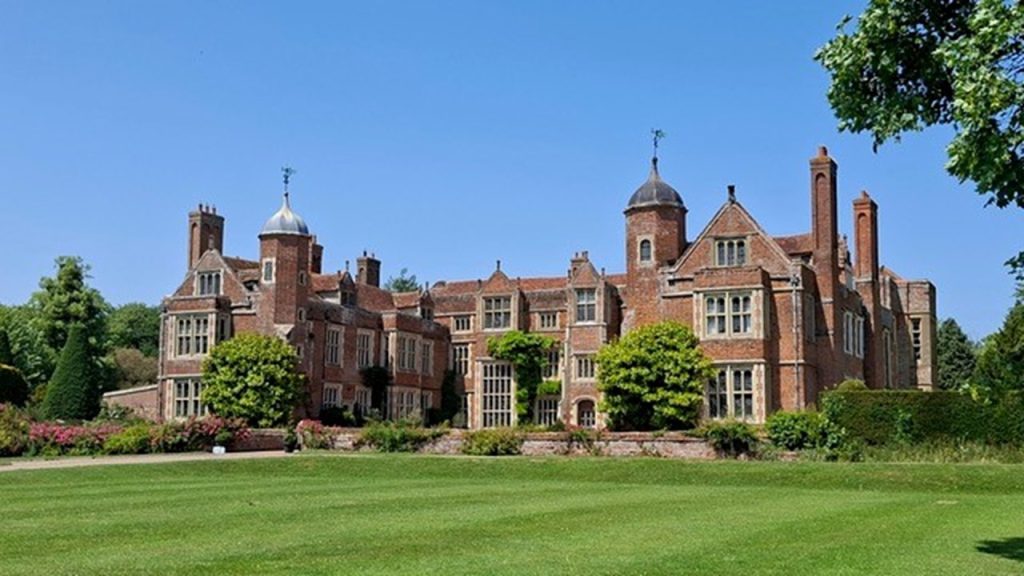
Geothermal energy solutions developer CeraPhi Energy has been tasked to deliver a feasibility study for integrating geothermal technology to replace the aging oil boiler for Kentwell Hall, a 16th-century stately home in Suffolk, England. Part of the study will be the design of a multi-well deep geothermal heating solutions using the company’s proprietary CeraPhiWell monobore borehole system.
Due to the use of an aging boiler, the Kentwell Hall consumes a large quantity of excessive quantities yet barely warms the 400-year-old hall. However, modernizing the heating system also comes with the challenge of preserving the hall’s fragile Tudor fabric and contents. CeraPhi is confident that its expert team can engineer a solution that can be accommodated seamlessly into the building while being both commercially viable and environmentally transformative.
“Kentwell is one of the most beautiful houses in an unrivalled setting, but Historic Houses cannot remain so fixed in the past that they become uninhabitable. Heating has always been a major problem for us, with vast rooms, high ceilings, and centuries-old windows that cannot be altered,” said Patrick Philipps, owner of Kentwell Hall.
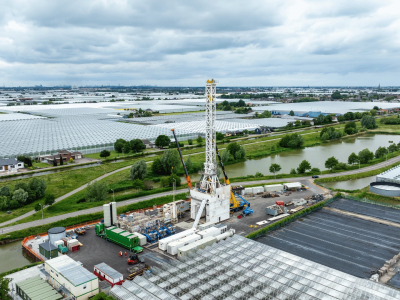
“We had considered every option over the years; geothermal was not one we had even imagined possible until we met Gary and later visited CeraPhi’s Yorkshire site.”
CeraPhi’s innovative closed-loop deep ground source system operates at depths of up to 1500 meters (1.5km), is invisible at the surface and designed to minimise disruption providing consistent, low-carbon heat across the estate. This design helps toward maintaining the authenticity and character of Kentwell Hall while introducing modern geothermal technology. The geothermal solution will be deployed in the historic hall, residential quarters, a modern café and events building, nearby ancillary properties, and even the octagonal guard towers.
“This is a unique challenge and the first project of its kind targeting a prestigious building of this age, proving that geothermal can be harnessed anywhere to cut carbon and deliver secure, affordable heat. We will implement a system that is invisible on the surface yet transformative in performance, a cleaner, smarter and more resilient option that futureproofs Kentwell Hall while preserving its remarkable heritage,” commented Gary Williams, COO of CeraPhi Energy.
By optimising the system to preserve the Hall’s delicate environment at an optimum 11°C, CeraPhi will ensure both comfort and conservation, while enabling additional estate buildings to be brought into productive use, thus creating opportunities for new income streams and long-term sustainability. Just recently, CeraPhi Energy had also been awarded a contract to deploy their geothermal solution at the Scunthorpe General Hospital in North Lincolnshire.
The project is set to explore the installation of multiple deep wells with capacity for future expansion. A Heat-as-a-Service (HaaS) model is being considered, where CeraPhi would build and operate the system at its own cost and sell the heat back to the estate under an energy service agreement. The system will significantly reduce Kentwell Halls operating costs replacing its current oil fired system with baseload 100% clean energy across the estate for generations to come.
“Historic houses have always embraced modernisation when necessary, from coal in 1800 to plumbing, acetylene lighting and high-pressure hot water in the 1900s. If geothermal can work for us, others may follow. We hope CeraPhi’s system delivers everything it promises with minimal disruption and that Kentwell becomes an exemplar for other historic properties seeking a practical path to net zero,” added Philipps.
“For us, sustainability is not a fashion — it is a duty. Our age should consume fossil fuels fairly and leave most for future generations, just as we must avoid polluting the land, water and oceans we share with wildlife. A deep geothermal system could finally allow us to maintain the stable temperature this timber-framed house needs, improve comfort for staff and visitors, and greatly reduce our reliance on oil and electricity across the many ancillary buildings on the estate.”
Source: Email correspondence