Earth Sciences New Zealand has received $2.6 million in new funding from the prestigious Marsden Fund of the Royal Society in New Zealand to lead four research projects targeting sustainable energy, geothermal innovation, and volcanic risk reduction. The grants will support advances in clean fuel production, waste-heat recovery, and monitoring of volcanic systems across Aotearoa New Zealand.
Exploring geothermal and volcanic systems
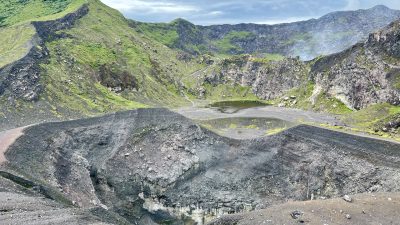
One project, led by earthquake analyst Dr Pasan Herath, will use distant seismic waves to study the subsurface plumbing of active volcanoes such as Ruapehu, Tongariro, Taupo, and Whakaari/White Island. The approach aims to distinguish shallow hydrothermal activity from deeper magma movement, critical for improving eruption forecasting and community safety.
The research combines seismic imaging with Matauranga Maori perspectives, including the involvement of Maori students in data analysis and capability building.
Turning geothermal waste heat into power
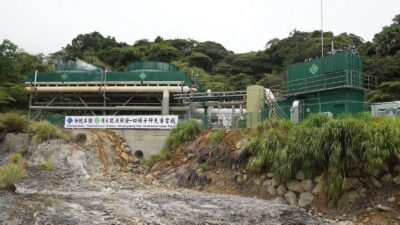
A second Marsden-supported project focuses on thermomagnetic generators (TMGs) that convert low-temperature geothermal and industrial waste heat into electricity. Working with Victoria University of Wellington, the team led by Dr John Kennedy will refine magnetic materials to overcome thermal inefficiencies and expand energy recovery from geothermal fluids below 150 °C.
According to Kennedy, “Improving these materials could unlock the ability to generate electricity from geothermal or industrial waste heat that is currently too cool to use.”
From green ammonia to deep-crust gases
Another team, led by Dr Prasanth Gupta, is developing catalysts that could produce green ammonia directly from air and water using electricity — offering a potential carbon-free fuel for agriculture and energy storage.
A fourth project, led by Dr David Byrne, will investigate how noble gases like helium, neon, and xenon migrate through the Earth’s crust. The study could enhance models for geothermal reservoir assessment, natural hydrogen exploration, and safe underground carbon storage.
Advancing New Zealand’s energy science base
Located within a high geothermal and volcanic activity zone, New Zealand continues to invest in fundamental research that underpins sustainable energy and hazard resilience. The Marsden-funded projects demonstrate the country’s commitment to applying earth science innovation to future energy systems.
By integrating deep geoscience knowledge with emerging clean technologies, Earth Sciences NZ – formerly GNS Science – is helping to build the scientific foundations for a low-carbon, resilient energy future.
See additional coverage from New Zealand on ThinkGeoEnergy here.
Source: release via Earth Sciences NZ